

November 10, 2026
By Tri County All Restorations
How Do I Know If I Have Mold?
Mold Damage, Mold remediation, Oakland Park
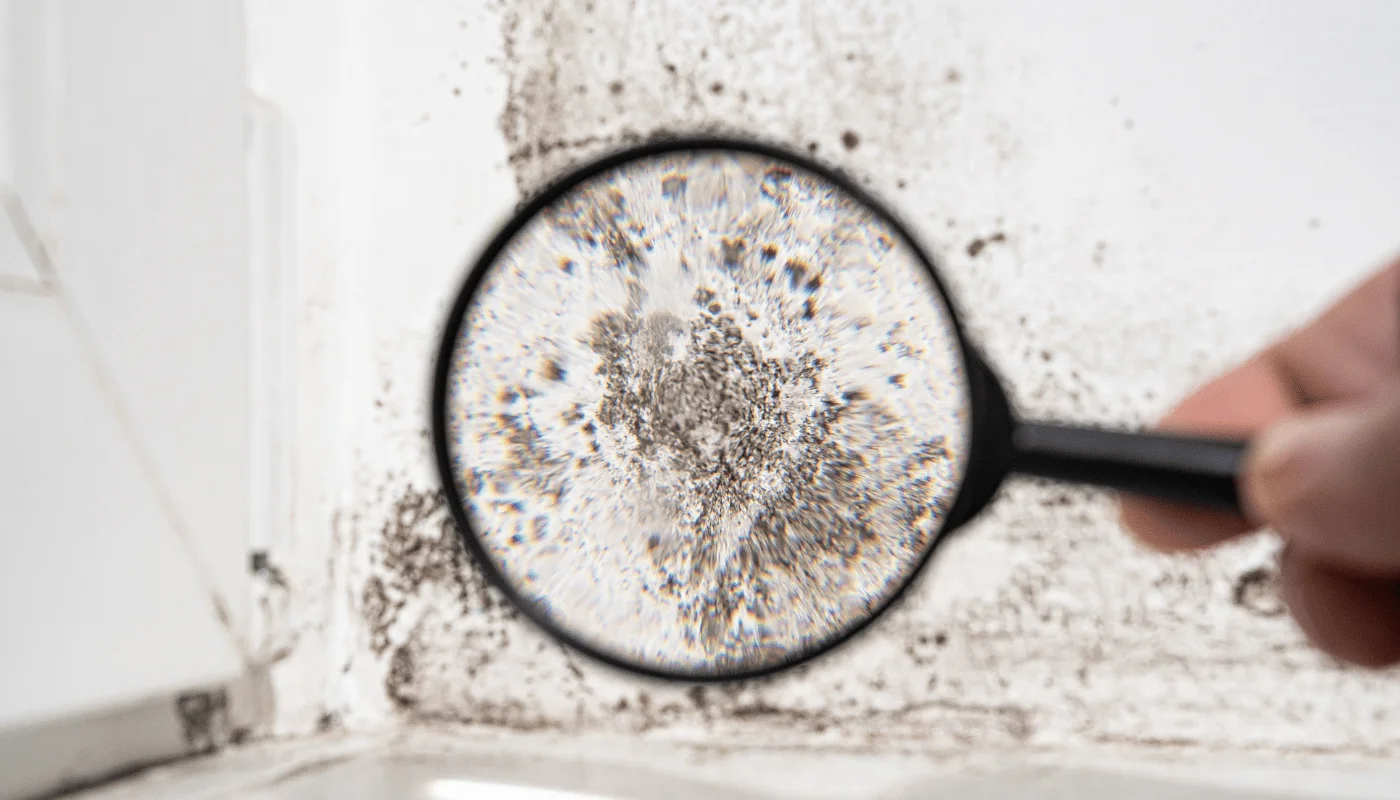
Quick answer: The most reliable signs of mold are a musty, earthy smell, spots or staining on walls or ceilings, peeling paint or warped drywall, and allergy-like symptoms that ease when you leave the house. In South Florida, mold grows wherever water or condensation sits for more than a day or two, so when you notice any of these signs, look for the moisture source first.
Reviewed by Gary Ackel, owner of Tri-County All Restorations, a Florida licensed mold remediator (MRSR2307) based in Oakland Park. Updated November 2026.
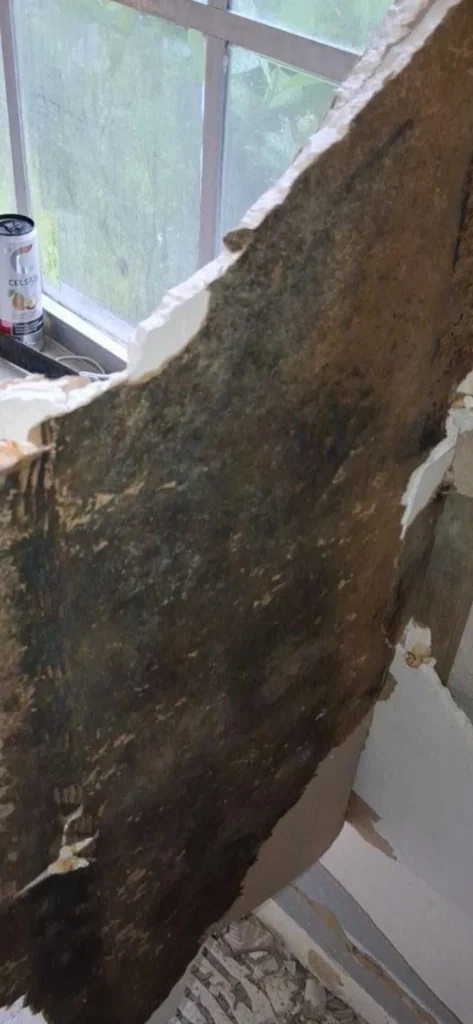
What are the signs of mold in a house?
Look and smell before you test. These signs most often point to a mold problem:
- A musty, earthy smell that is stronger in closed rooms or when the AC turns on.
- Spots or speckles in black, green, gray or white on walls, ceilings, grout or wood.
- Water stains or discoloration on ceilings and walls, especially stains that keep growing.
- Peeling, bubbling or cracked paint, or drywall that feels soft or warped.
- Condensation that keeps forming on windows, AC vents or pipes.
- A past leak or flood that was never fully dried.
- Allergy-like symptoms such as a stuffy nose, sneezing or itchy eyes that improve when you are away from home.
One sign alone does not prove mold. Two or more together, especially a musty smell plus a moisture source, usually does.
What does mold smell like?
Mold smells musty and earthy, similar to damp cardboard, wet socks or an old basement. The smell comes from gases mold releases as it grows. If you smell it but cannot see anything, the growth is often inside a wall, under flooring, behind cabinets or in the AC system. A musty smell with no visible source is a reason to look further, not to wait.
Where does mold hide in South Florida homes?
Mold needs moisture, and in Broward County the humidity alone keeps many surfaces damp. Check these places first:
- The AC air handler, drain pan and supply vents
- Under kitchen and bathroom sinks
- Behind toilets, showers and tubs, and in caulk and grout
- Behind and under kitchen cabinets
- Closets on exterior walls, where air does not move
- Around windows and sliding doors that sweat or leak
- Ceilings under a roof leak, and attics after storms
- Baseboards and drywall near any past leak
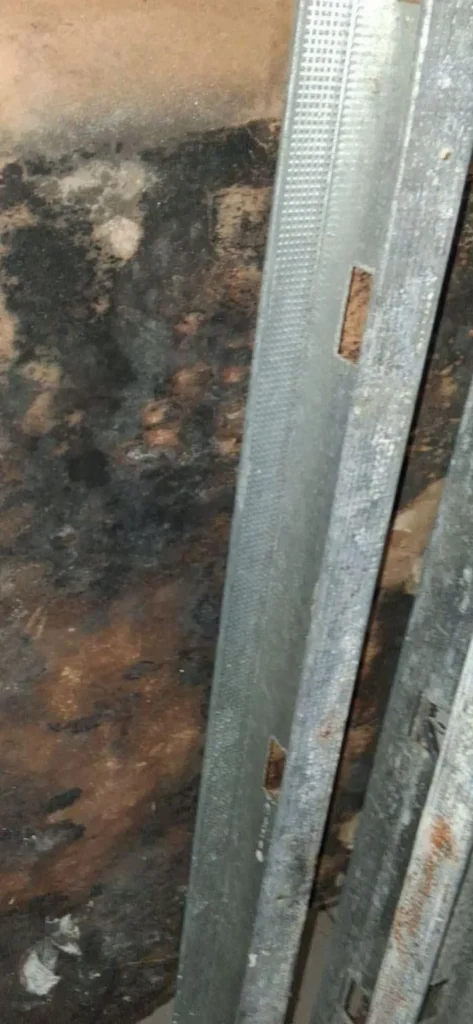
How fast does mold grow after water damage?
The U.S. Environmental Protection Agency advises drying water-damaged materials within 24 to 48 hours to prevent mold growth. In South Florida heat and humidity, that window matters. If a leak, flood or AC overflow soaks drywall, carpet or wood, the goal is to dry it completely within a day or two. After that, assume mold may be starting even if you cannot see it yet.
Can I test for mold myself?
Home test kits are not very useful. Mold spores are in almost all indoor and outdoor air, so an open petri dish will grow something in nearly every home. A kit cannot tell you where the mold is, how much there is or what is feeding it. The CDC does not recommend routine mold sampling in homes: if you can see or smell mold, the priority is finding the moisture and removing the growth.
When testing does make sense, for example to confirm hidden growth or to verify a cleanup, use an independent licensed mold assessor. Tri-County arranges one, so the company removing the mold is never the one grading it.
Is mold dangerous to my health?
For most people, mold causes allergy-like symptoms: a stuffy nose, wheezing, red or itchy eyes and skin irritation. According to the CDC, people with allergies, asthma, lung disease or weakened immune systems can react more strongly. The CDC also advises treating all mold the same way, whatever its color, so handle “black mold” like any other growth: find the source and remove it. If someone in your home has ongoing symptoms, talk to a doctor.
When should I call a professional?
The EPA suggests most homeowners can clean a moldy area smaller than about 10 square feet, roughly a 3 by 3 foot patch, on their own. Call a professional when:
- The growth covers more than about 10 square feet
- The mold came from sewage, floodwater or a large leak
- You smell mold but cannot find it
- Mold is in the AC system or ductwork
- Mold keeps coming back after cleaning
- Anyone in the home has asthma, allergies or a weakened immune system
What happens if Tri-County finds mold?
We start with the moisture. Our owner is a Certified Infrared Thermographer, so we use thermal imaging and moisture meters to map wet areas before opening any walls. If testing is needed, we arrange an independent licensed assessor. Remediation follows the IICRC S520 standard: containment, HEPA air filtration, removal of affected materials and drying. After the work, an independent third party performs clearance testing, so you get proof the mold is gone.
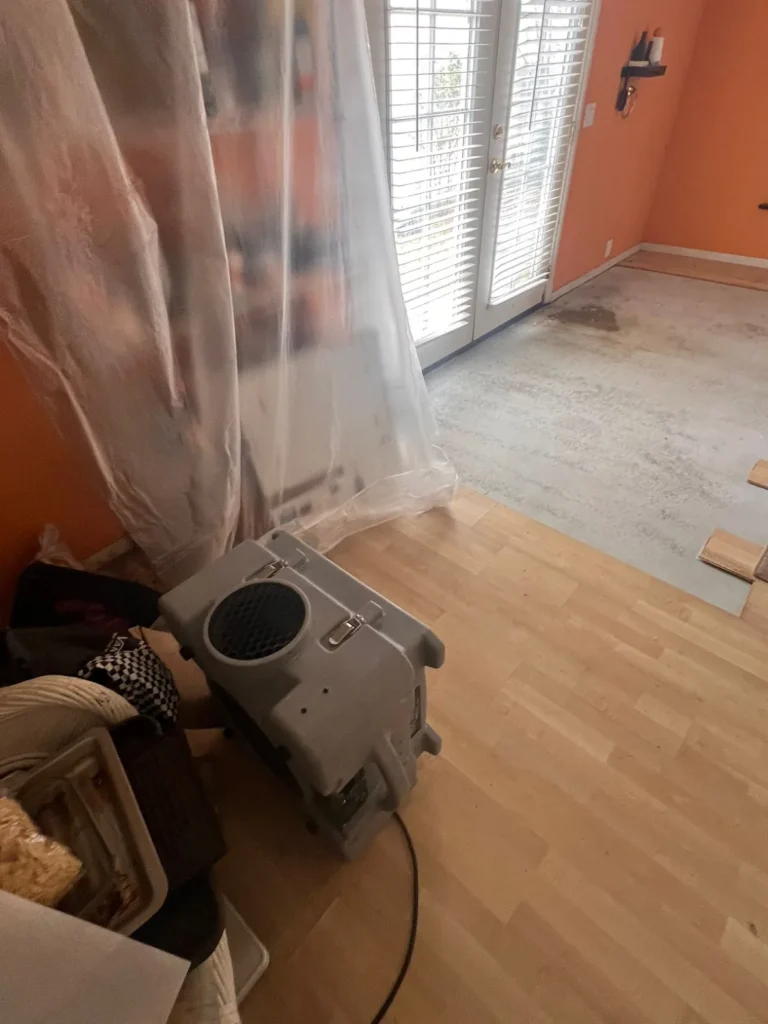
Learn more about our mold remediation in Fort Lauderdale, or see mold remediation in Oakland Park if you are near our office. Call (954) 776-1717, 24/7.
Frequently asked questions
Does bleach kill mold?
Bleach can lighten mold on hard, non-porous surfaces, but it does not reach mold growing inside drywall, wood or grout, and the EPA does not recommend bleach as a routine part of mold cleanup. Removing the moldy material and fixing the moisture matters more.
Does homeowners insurance cover mold?
Often only when the mold comes from a sudden, covered event such as a burst pipe, and many policies limit mold coverage. Mold from long-term leaks or humidity is usually excluded. Check your policy, and photograph the damage before any cleanup.
Can I stay in my house if I have mold?
Usually yes for small, contained areas. For larger growth, containment keeps spores out of the rest of the home during removal, and people with asthma or weakened immune systems may be more comfortable staying elsewhere until the work is done.